2025.03.30
 Alibaba’s QvQ Max accepts visual input and outputs its chain of thought. It offers stronger performance in math, coding, visual analysis, creative work, and general tasks.
Try Qwen QvQ Max.
Also available: try Qwen2.5-Omni-7B, an open-source model that understands text, images, speech, and video, alone or in combination. It processes multimodal input significantly faster and can stream text and speech simultaneously.
All these models are available via API. See the API guide for details.
2025.03.29
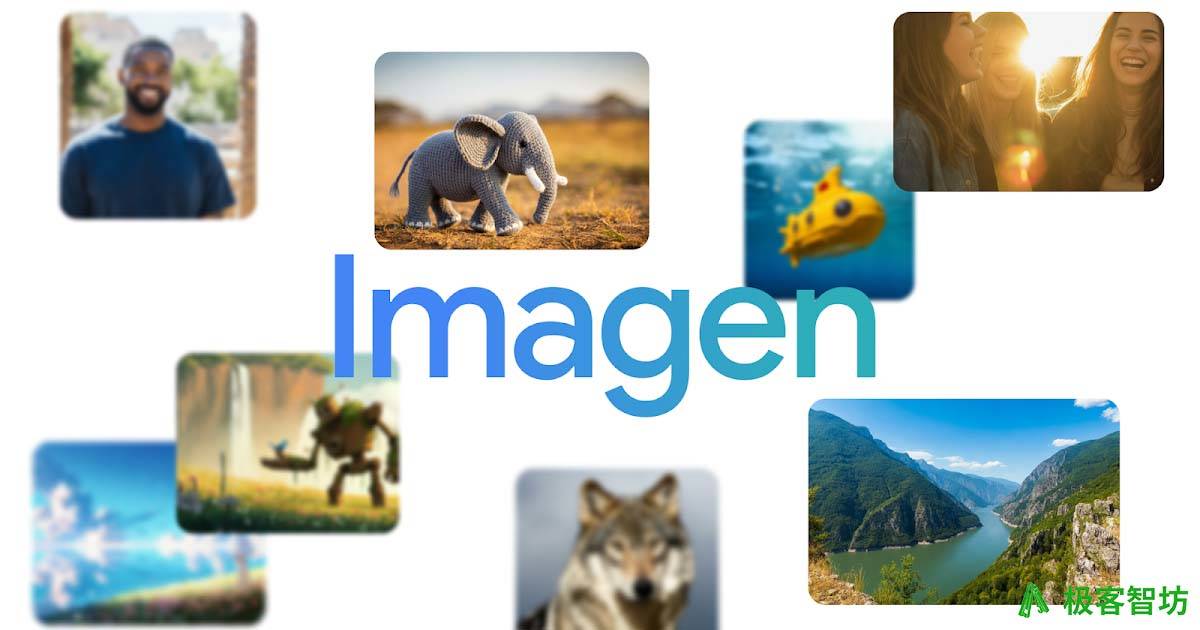 GeekAI now supports Google’s standalone Imagen 3 and Alibaba’s Wan 2.1 family of standalone image generators:
Unlike the image-generation versions of GPT-4o and Gemini-2.0-Flash, these models generate images from text prompts only; they cannot use conversation history.
All these models are available via API. See the API guide.
2025.03.28
 OpenAI’s GPT-4o can now generate images in conversation. Here is what a few simple instructions produce:
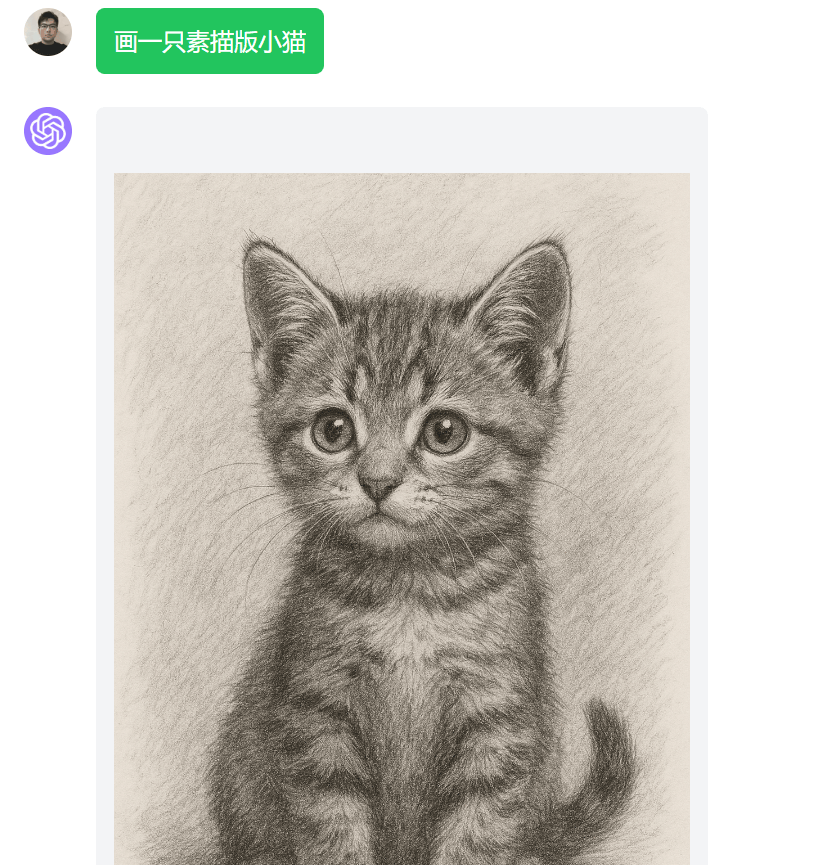
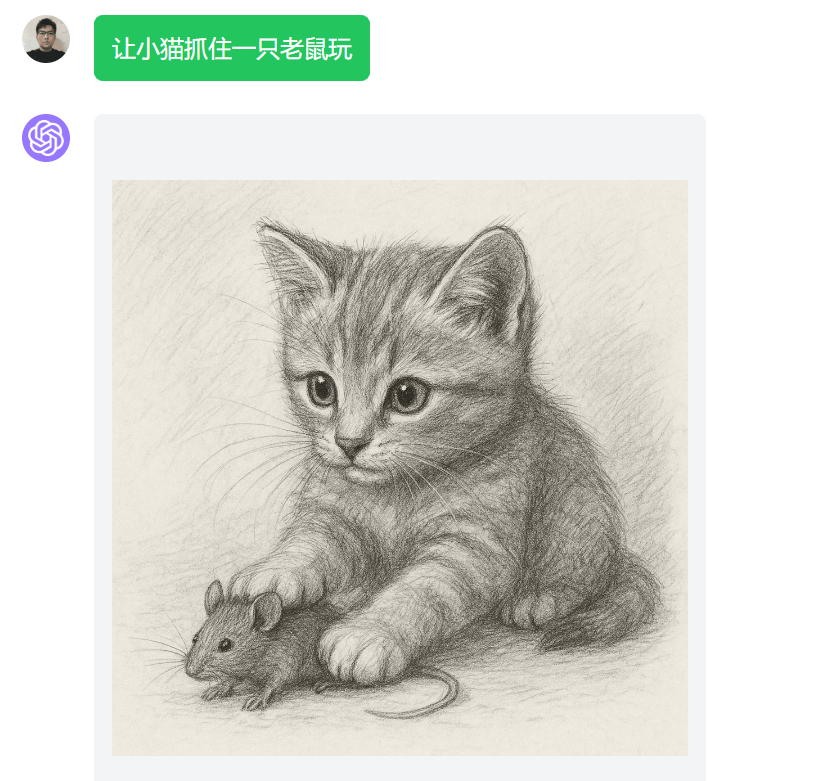
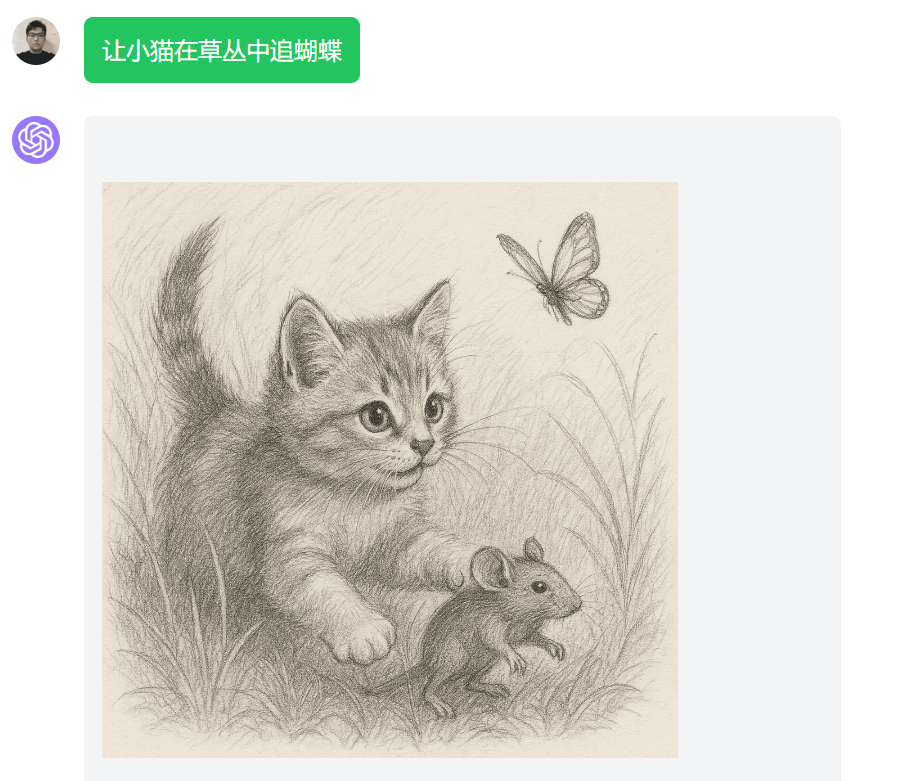 Try image generation with GPT-4o.
The same instructions give better results than with Gemini-2.0-Flash. We attribute this to GPT-4o’s underlying DALL-E-3 model outperforming Imagen 3 in Gemini-2.0-Flash. To compare them yourself, select each image model under AI tools in GeekAI chat:
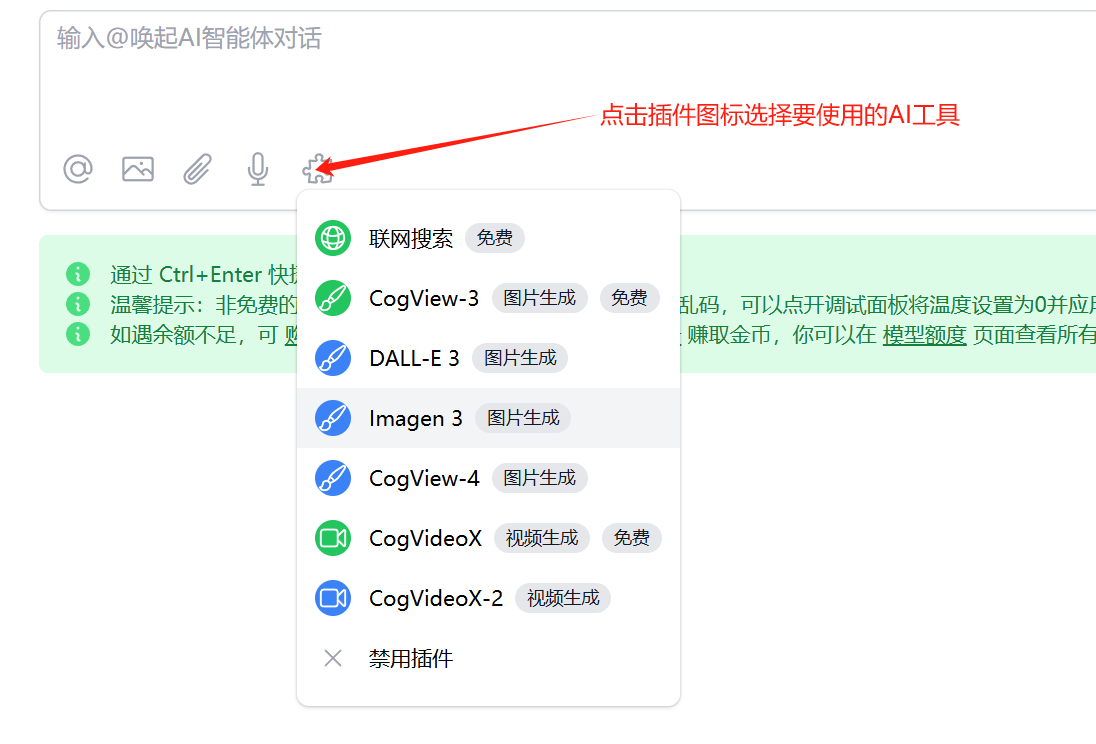 All these models are available via API. See the API guide; use the image-generation API for DALL-E-3 and Imagen 3.
2025.03.27
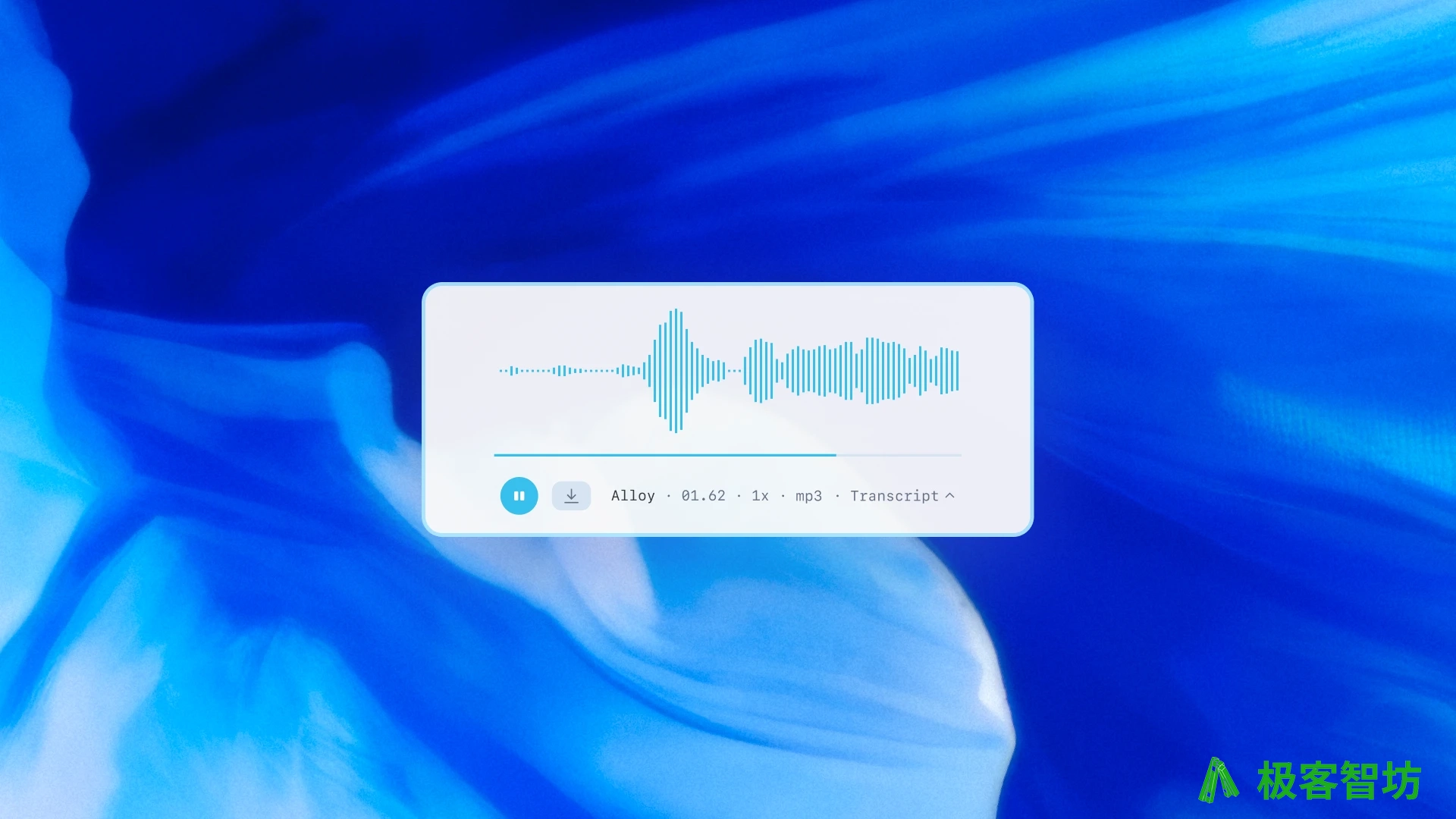 GeekAI now supports OpenAI’s new speech models:
- GPT-4o mini TTS uses GPT-4o mini to convert text into natural, fluent speech.
- GPT-4o mini Transcribe uses GPT-4o mini for audio transcription. Compared with the original Whisper, it improves word error rate, language recognition, and accuracy, making it well suited to generating captions.
- GPT-4o Transcribe uses GPT-4o for speech recognition. It significantly improves on Whisper’s word error rate, language recognition, and accuracy. Choose this model for more accurate transcripts.
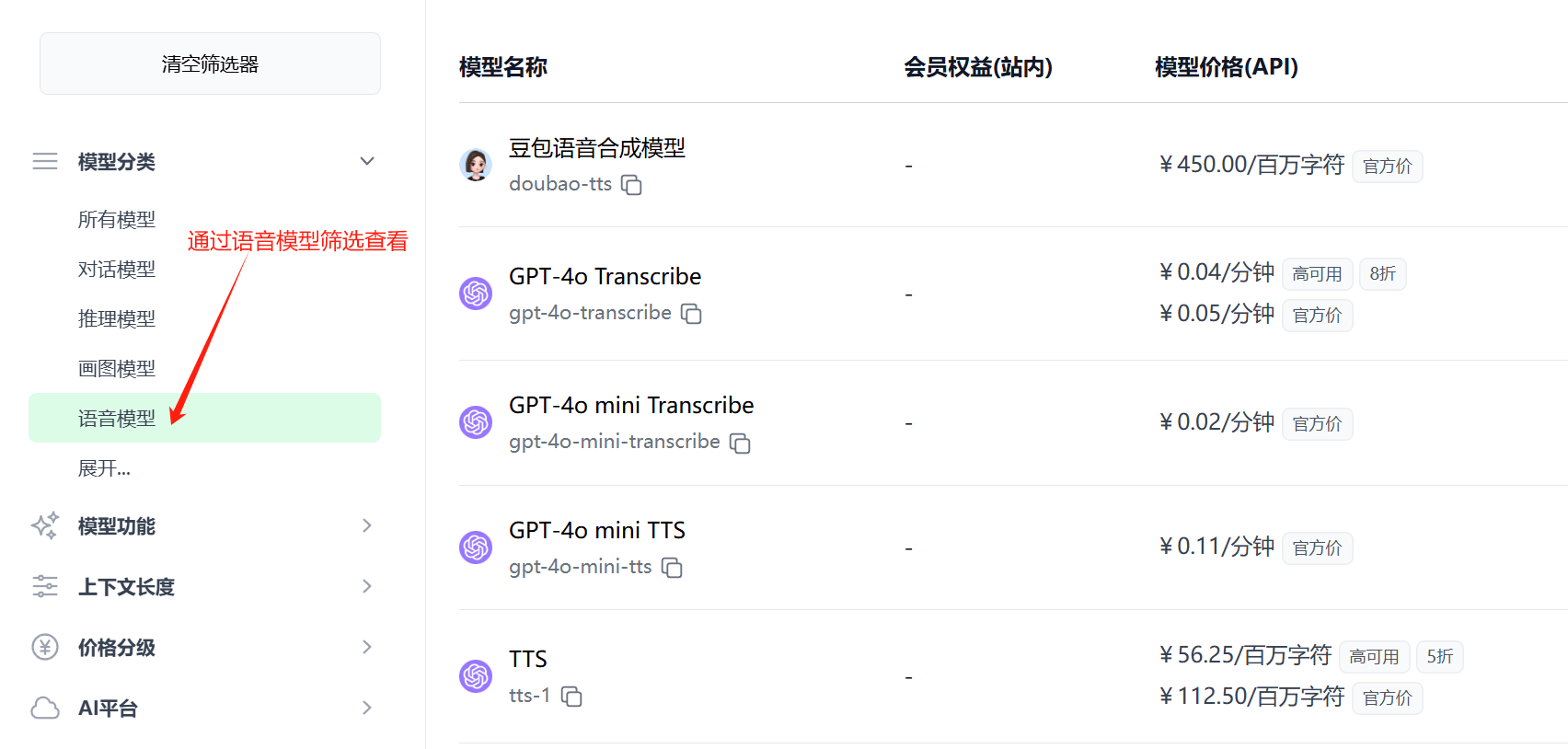 Speech models are available only via API. See the API guide.
2025.03.26.2
 The 0324 point release of DeepSeek V3 significantly improves reasoning, front-end development, Chinese writing, and search. It even outperforms GPT-4.5 on reasoning and coding tasks:
 It supports up to 128K context and is completely free:
The model is also free to use via API.
2025.03.26.1
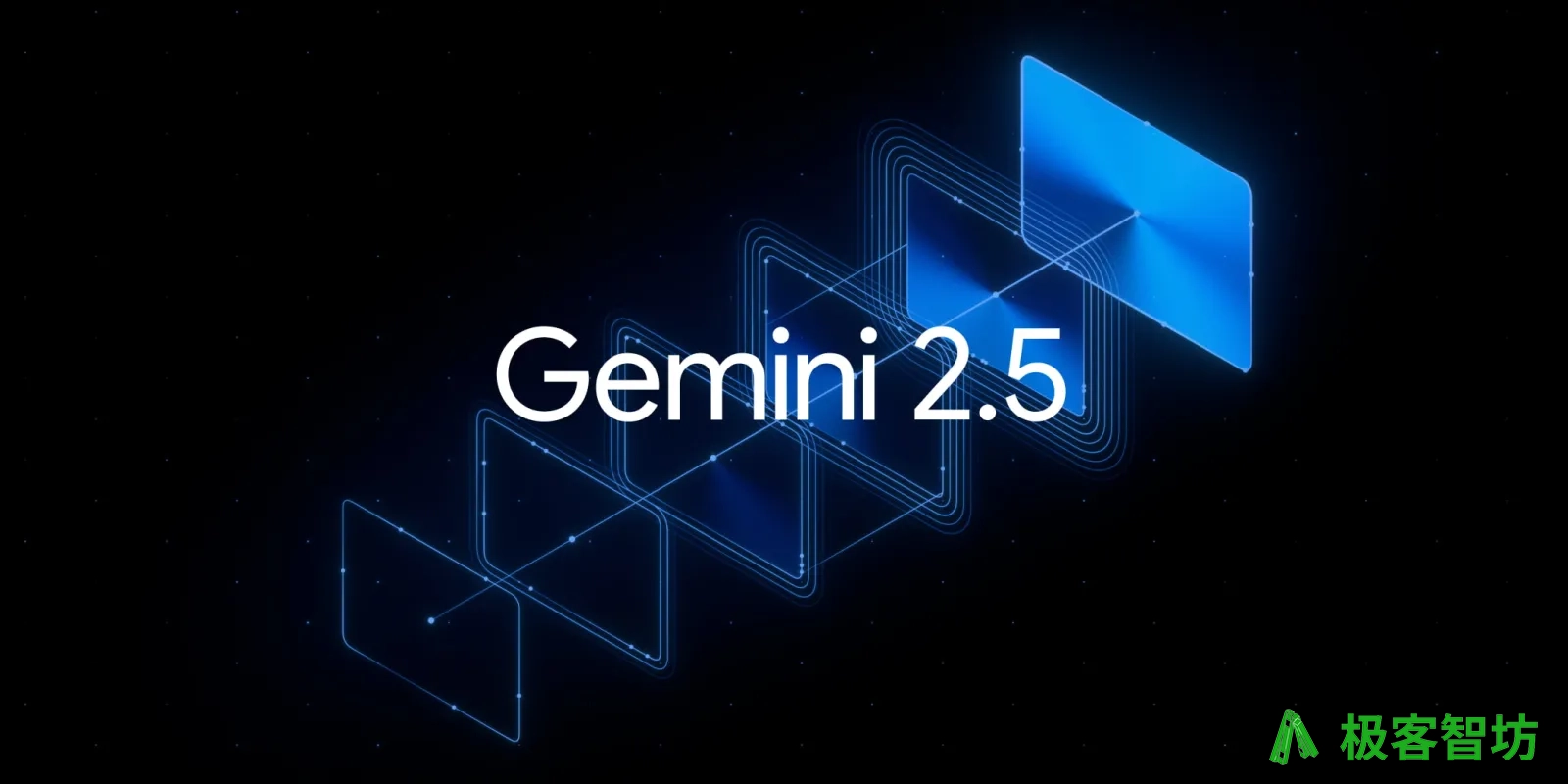 The experimental release of Google’s flagship Gemini 2.5 Pro improves reasoning, multimodal understanding, and advanced coding. It outperforms
o1-mini, gpt-4.5-preview, claude-3.7-sonnet, and deepseek-r1 on science, reasoning, and math tasks:
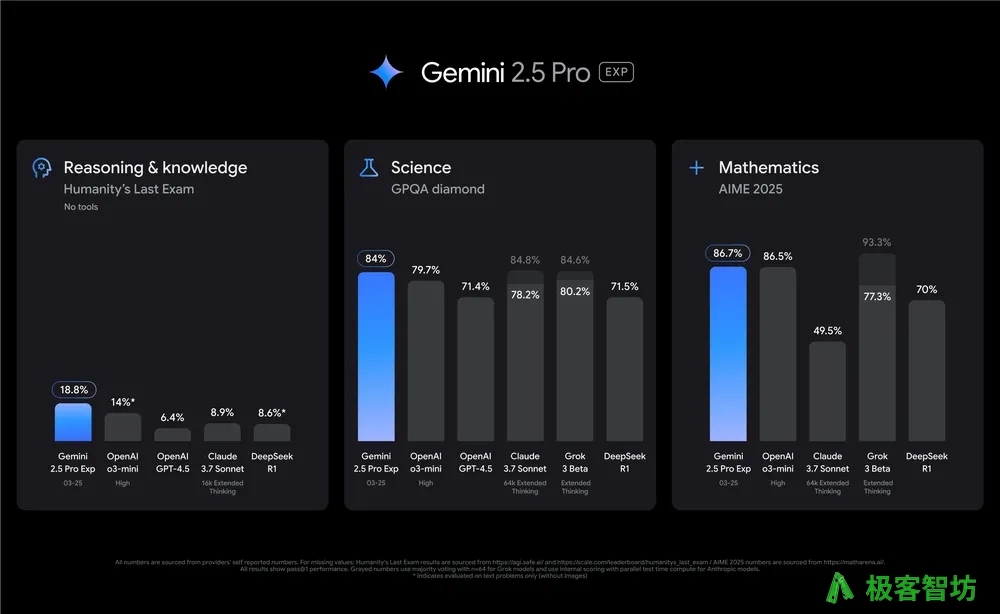 It accepts text, images, audio, and video, with up to 1000K input and 64K output tokens, and is completely free:
The model is also free to use via API.
2025.03.25
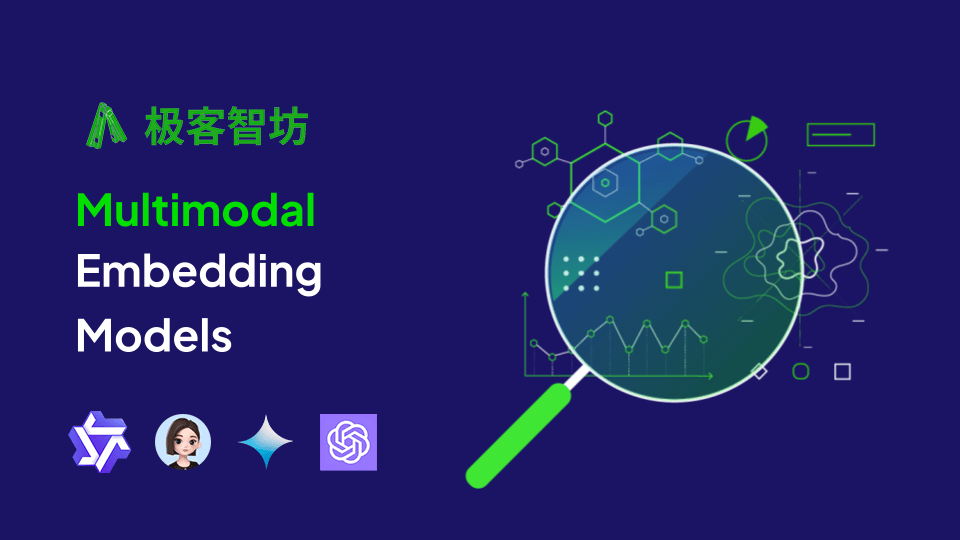 All Alibaba Tongyi embedding models are now available. Use them to generate embeddings in your own applications, such as agents and knowledge bases:
- Tongyi Multimodal v1 embeds text, images, and video for tasks such as video or image classification and image–text retrieval.
- Tongyi Embedding v3 is Tongyi Lab’s unified LLM-based multilingual text embedding model. It supports over 50 languages and up to 8,192 tokens per line.
- Tongyi Embedding v2 is Tongyi Lab’s unified LLM-based text embedding model for major languages. It handles up to 2,048 tokens per line.
2025.03.24
 All ByteDance Doubao embedding models are now available for applications such as agents and knowledge bases:
- Doubao-embedding generates semantic embeddings for Chinese and English text retrieval, with up to 2,560 dimensions.
- Doubao-embedding-large improves language understanding for Chinese and English text retrieval and supports up to 4,096 dimensions.
- Doubao-embedding-vision generates 3,072-dimensional multimodal embeddings for image–text retrieval and supports Chinese and English.
2025.03.22
 Tencent’s Hunyuan-T1 is the industry’s first large-scale Hybrid-Transformer-Mamba reasoning model. It scales reasoning, decodes rapidly, and aligns more closely with human preferences:
2025.03.21.2
 OpenAI’s o1-pro builds on o1. Trained with reinforcement learning, it uses extra compute to think through complex problems before responding, for higher-quality, more consistent answers than o1.
Try OpenAI o1-pro.
Pricing note:o1-prosets a new API price high abovegpt-4.5-preview. It costs 10 times as much aso1and 300 times as much asdeepseek-r1. Choose it carefully to avoid unnecessary charges.
2025.03.21.1
 MistralAI’s latest lightweight enterprise open-source model, Mistral Small 3, is available in standard and free editions. It rivals Llama 3.3 70B or Qwen 32B and can recognize and analyze images:
2025.03.17
 Baidu’s new natively multimodal foundation model, Ernie 4.5, jointly models multiple modalities to improve understanding across them. It strengthens language comprehension, generation, logic, and memory, with fewer hallucinations and notably better reasoning and coding.
Try the Ernie 4.5 preview.
2025.03.16
Use the customized image-generation edition of Gemini 2.0 Flash to design and create images conversationally: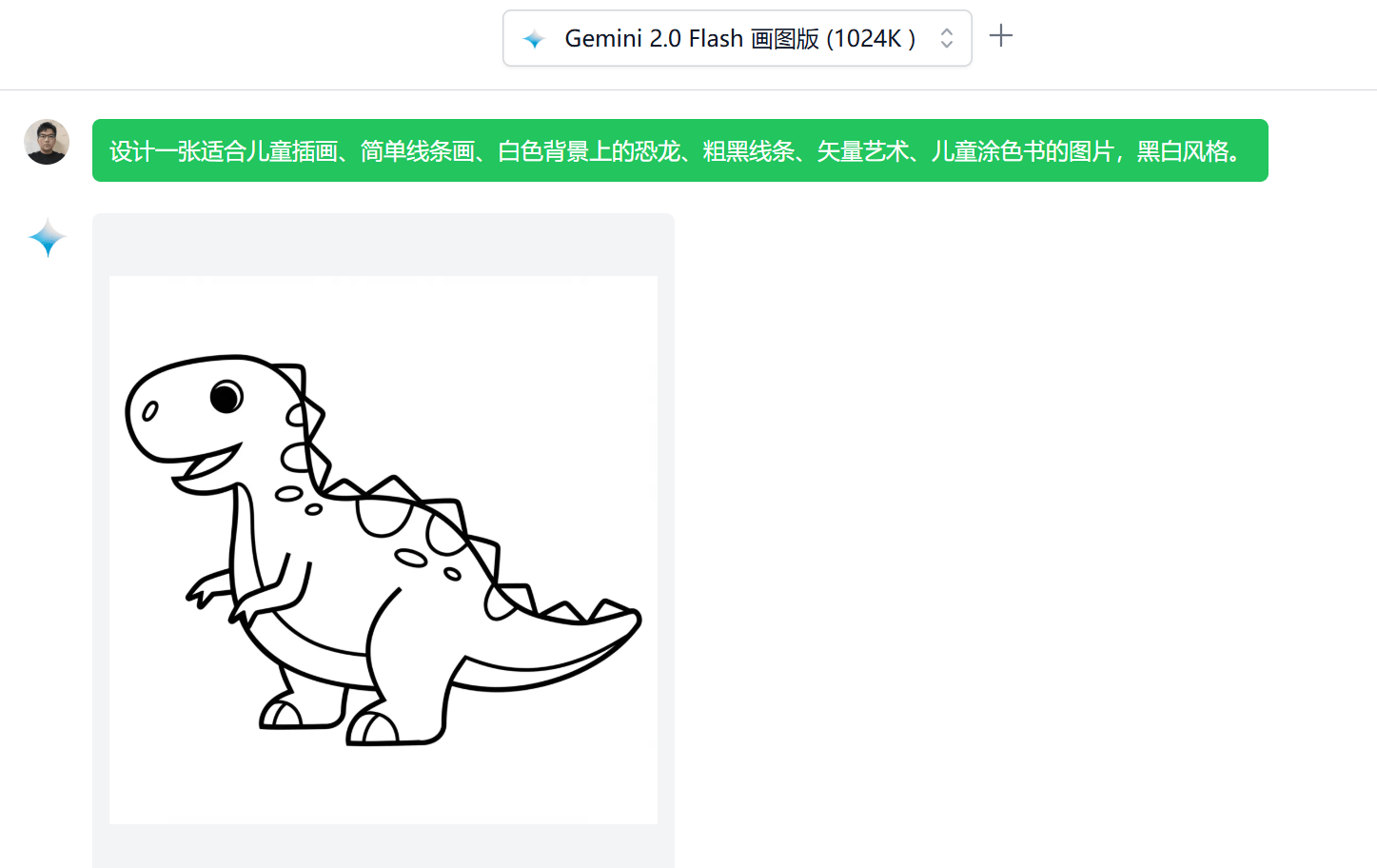
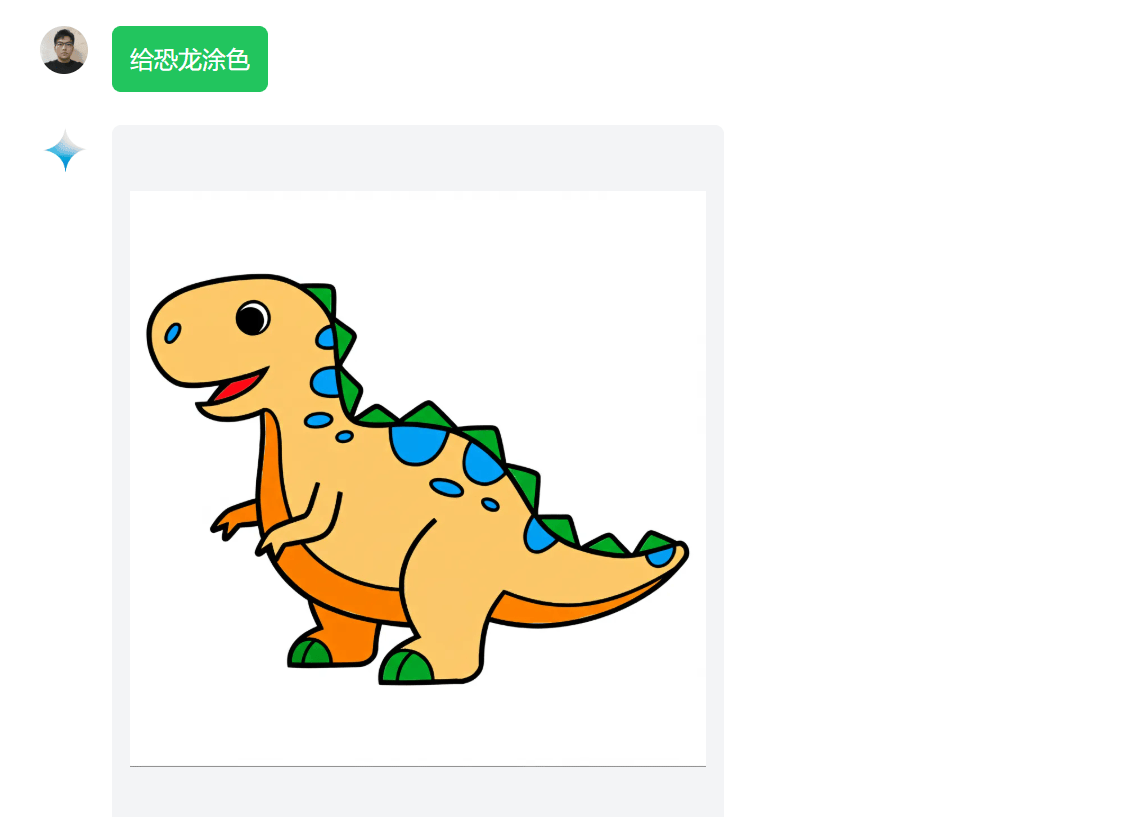
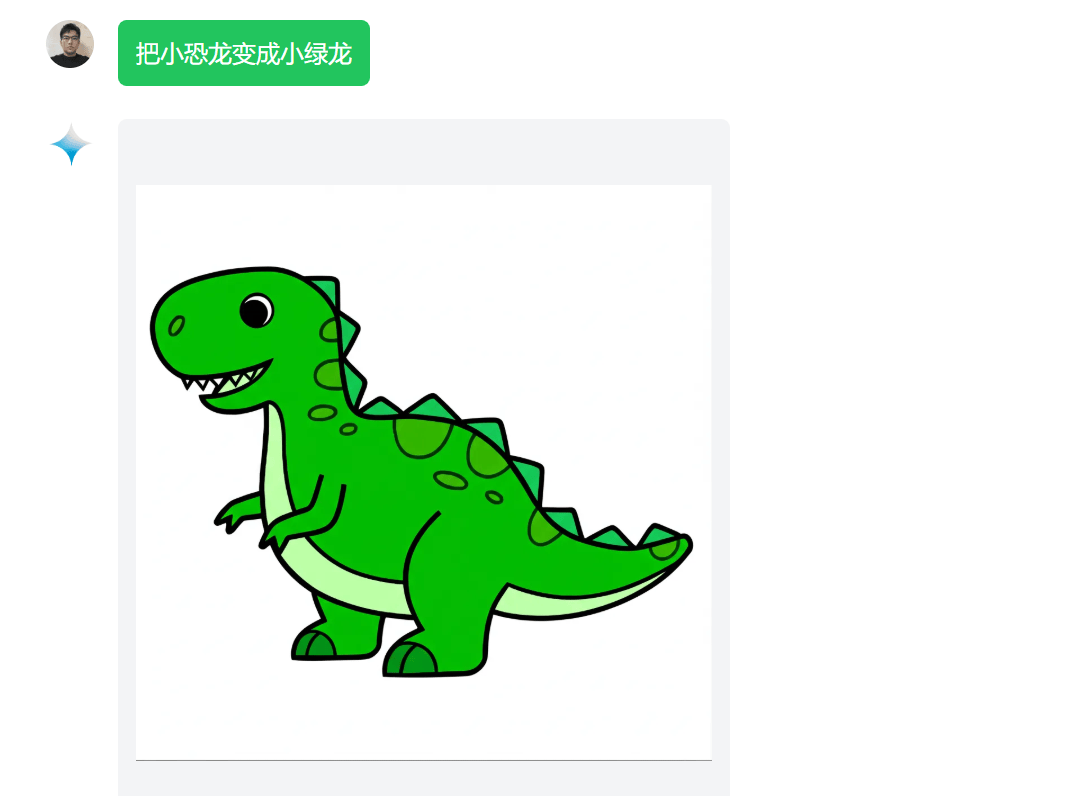 Try Gemini 2.0 Flash image generation.
2025.03.14
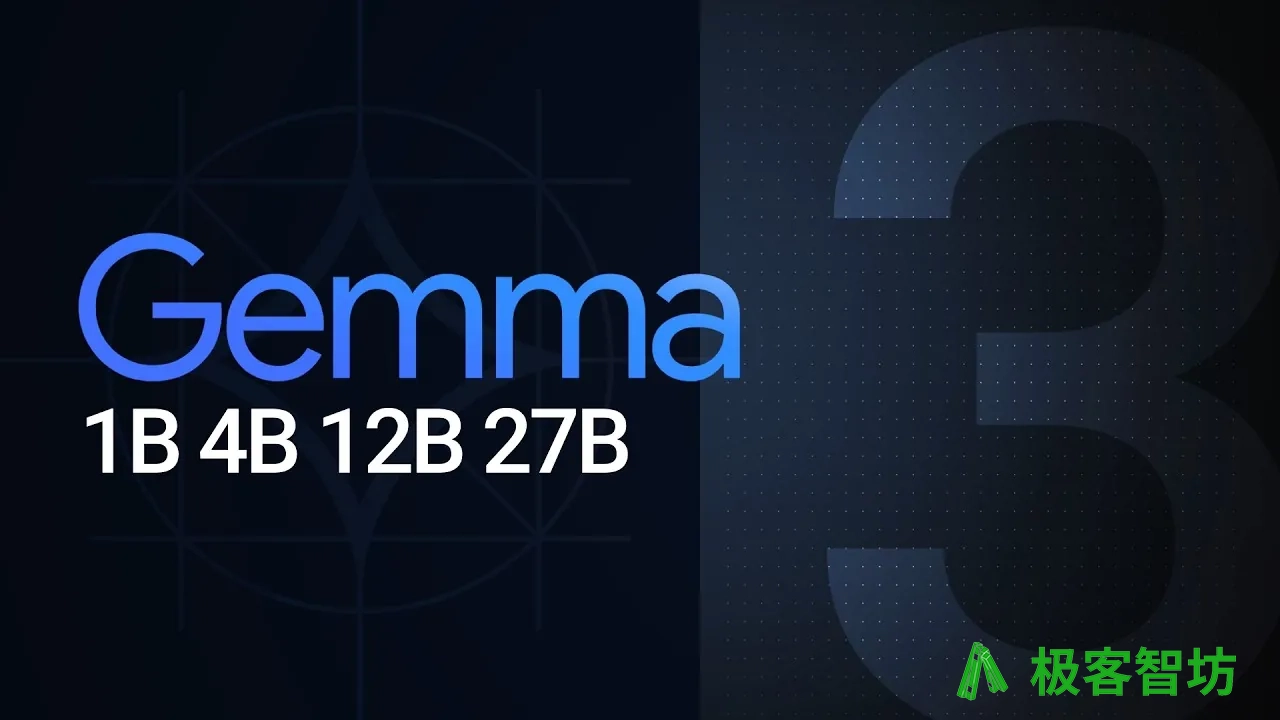 Google’s entire open-source multimodal Gemma 3 family is now available:
All are free. For commercial use where you need higher availability, pricing starts at RMB 2 per million input tokens and RMB 4 per million output tokens:
Cohere’s latest flagship, Command A, supports up to 256K context and excels at tool calling, agent workflows, and retrieval-augmented generation (RAG):
We’ve also upgraded the Jamba models from A21 Labs to version 1.6:
2025.03.13
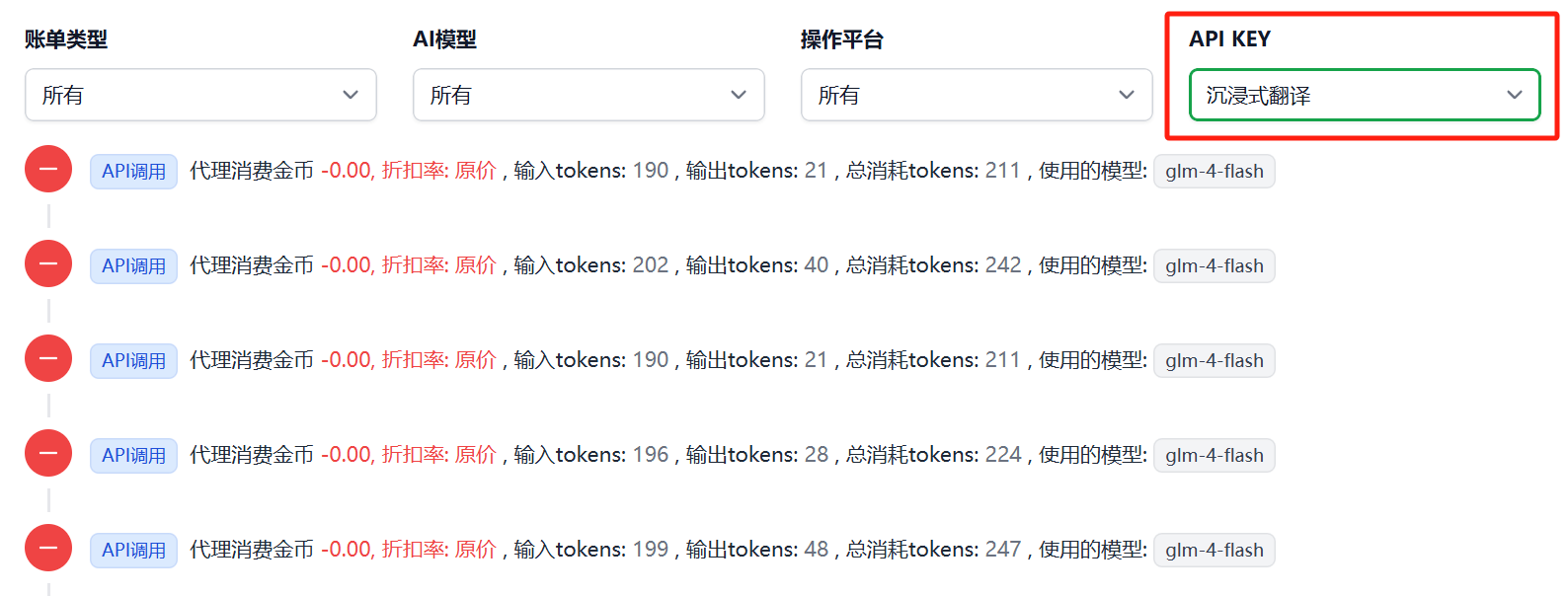
File storage for AI agents now offers database and knowledge-base modes. Database mode is slower but gives better results; it currently supports only Excel and CSV files: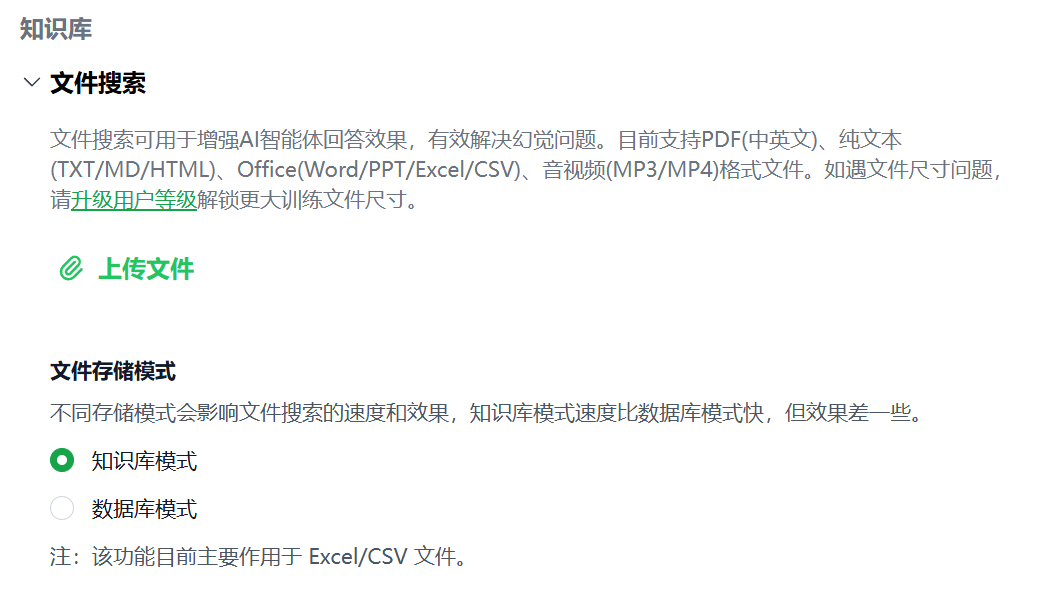 The dashboard’s Billing History now lets you filter by API key to see usage for individual keys:
2025.03.12.2
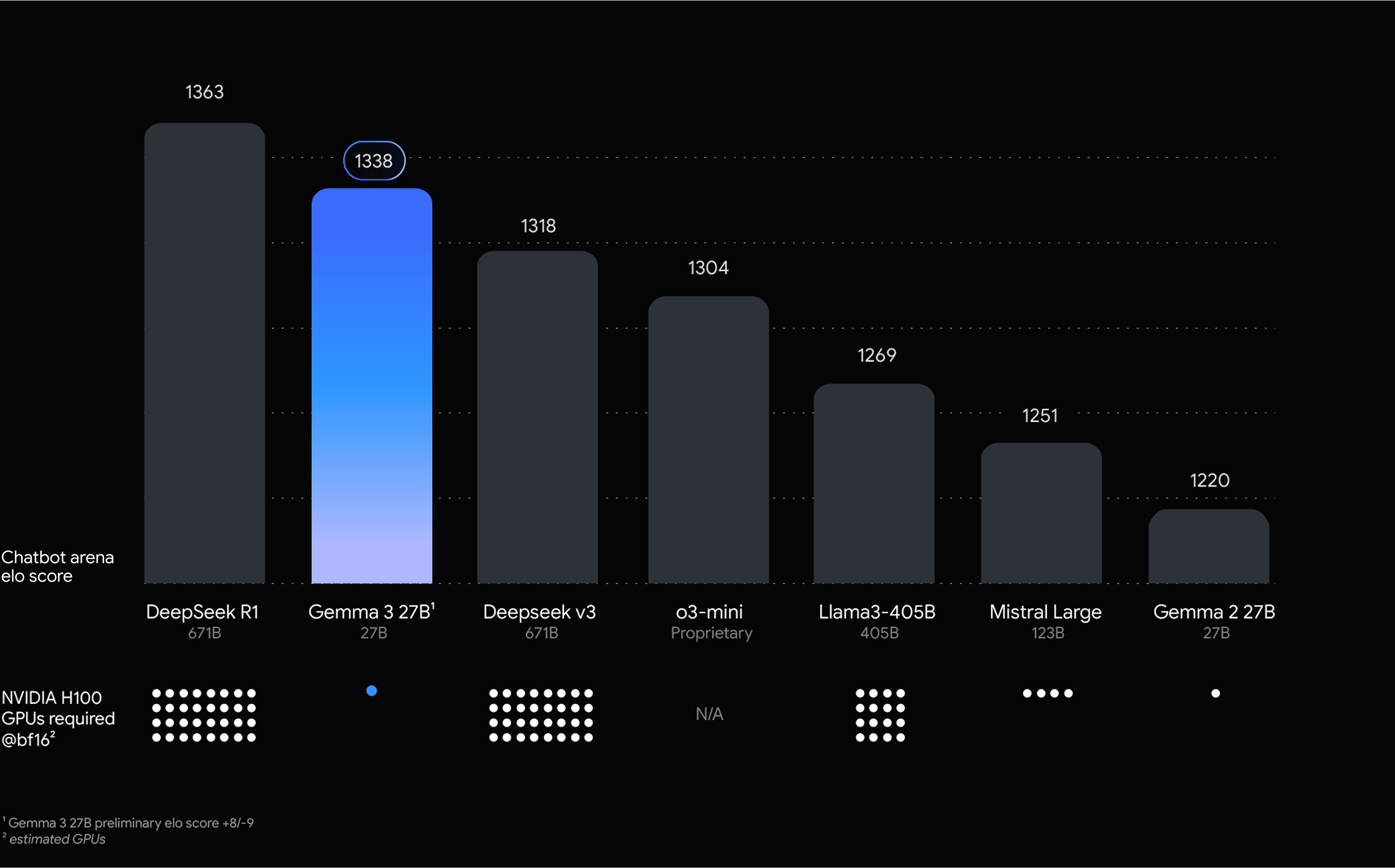
 Google’s open-source Gemma 3 27B accepts text and images with up to 128K context. Its reported benchmark scores surpass DeepSeek V3, ranking it second among open-source models behind DeepSeek R1:
 Try Gemma 3 27B for free.
2025.03.12.1
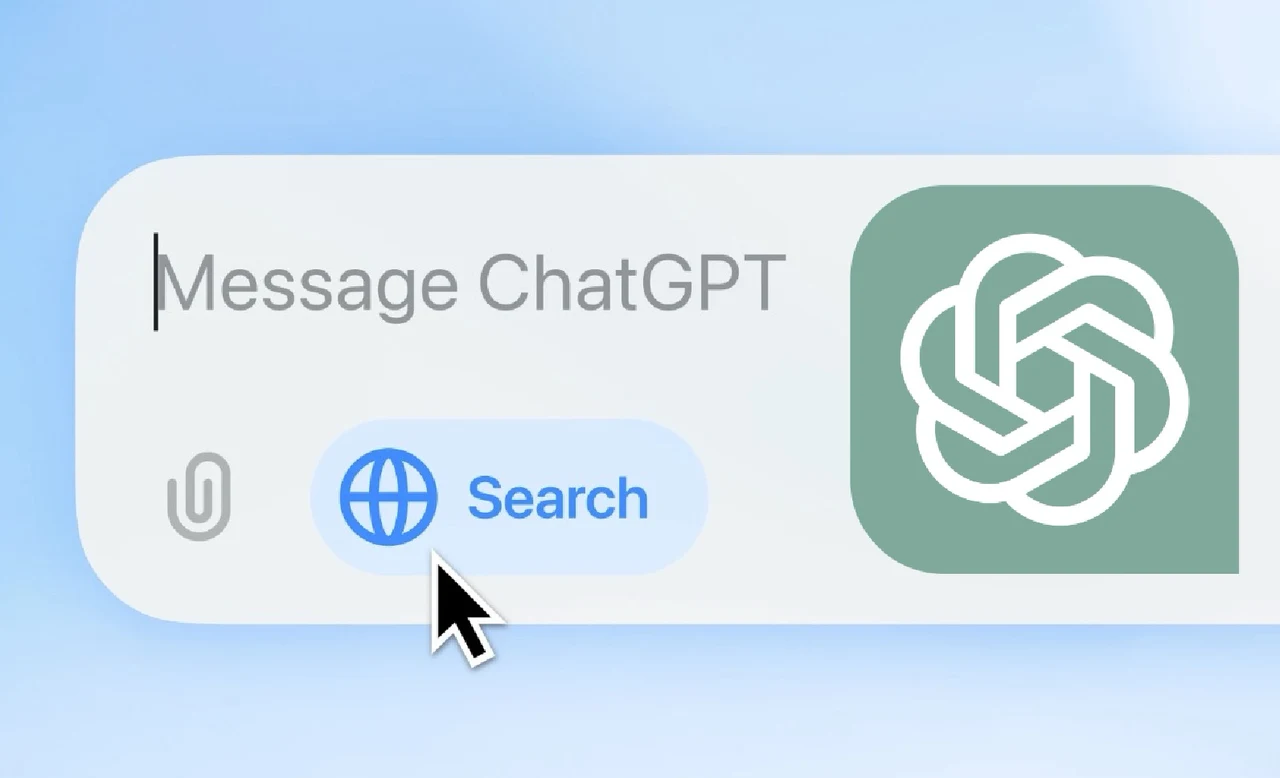 OpenAI’s GPT 4o mini Search Preview and GPT 4o Search Preview use web search to inform their answers, especially for time-sensitive questions.
2025.03.08
 Perplexity’s Sonar Deep Research conducts professional research and distills its findings into a report that’s easy to understand and act on:
- In-depth research: Performs dozens of searches and reads hundreds of sources.
- Expert analysis: Independently analyzes fields including finance, marketing, technology, health, and travel to develop detailed insights.
- Written reports: After evaluating the source material, the agent synthesizes its findings into a clear, detailed report.
- Data privacy: Customer data is not used for training.
2025.03.07
 GeekAI now supports Qwen’s new QwQ-Plus reasoning model and its open-source counterpart, QwQ-32B:
- QwQ-Plus enhances QwQ with reinforcement learning on Qwen2.5. It matches the full DeepSeek-R1 on core math and coding benchmarks (AIME 24/25 and LiveCodeBench) and some general benchmarks, including IFEval and LiveBench.
- QwQ-32B uses reinforcement learning on Qwen2.5-32B to improve reasoning substantially. Across benchmarks it significantly outperforms DeepSeek-R1-Distill-Qwen-32B, which uses the same base.
2025.03.05
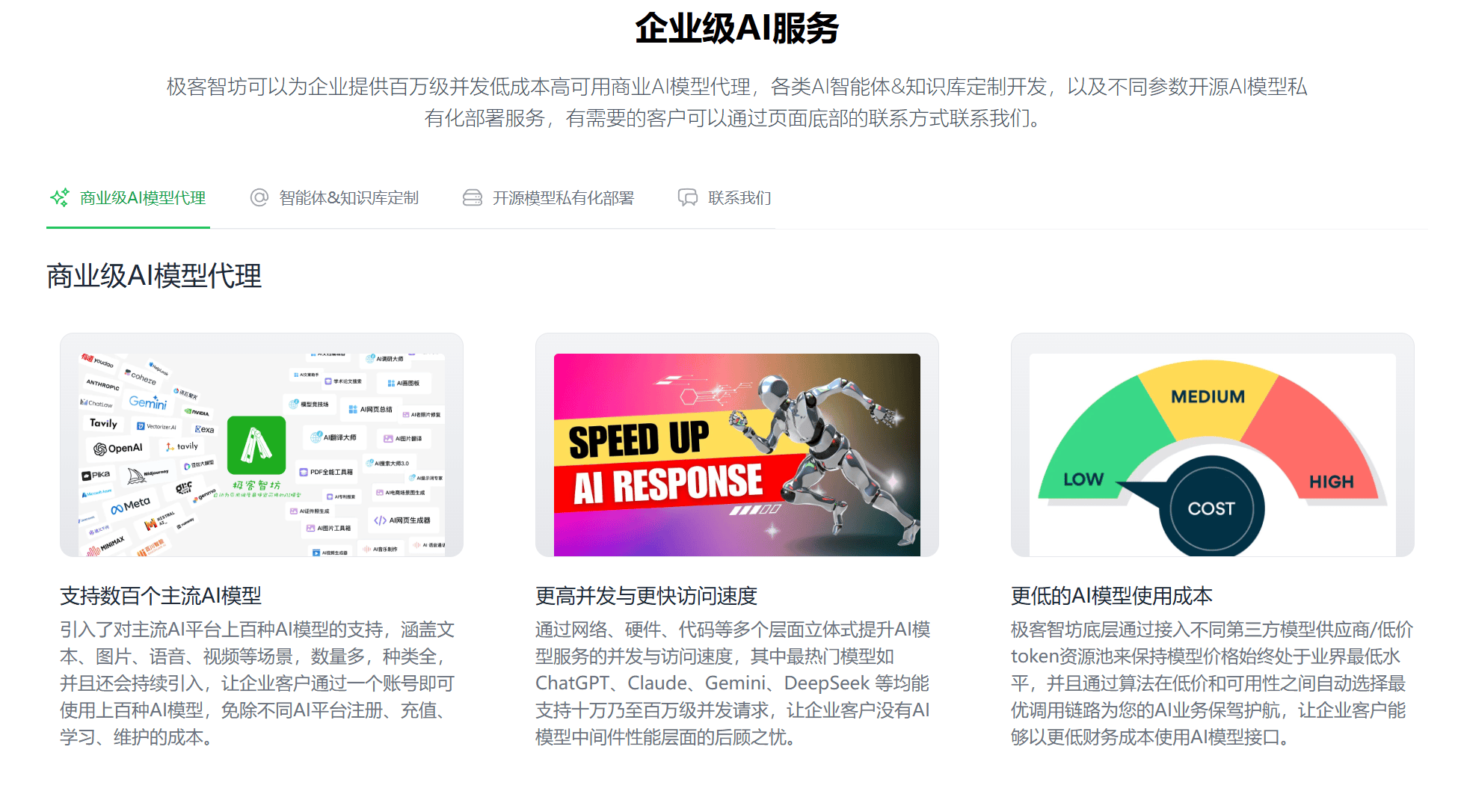 Our new enterprise AI services page offers specialized support for businesses, including:
- Low-cost, highly available commercial model proxy services supporting millions of concurrent requests
- Custom development of enterprise agents and knowledge bases
- Private deployment of open-source models in various parameter sizes and of knowledge bases
2025.03.03
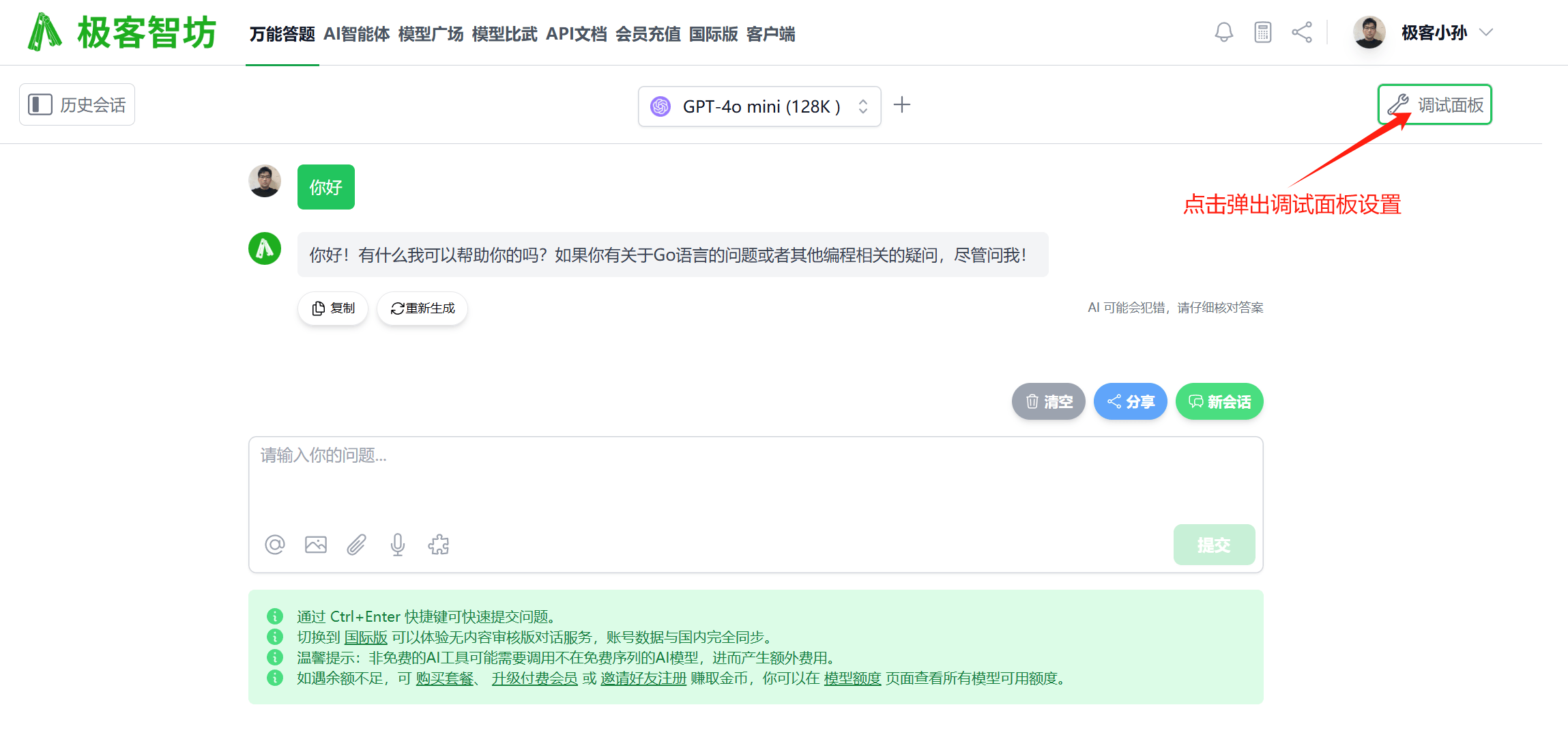
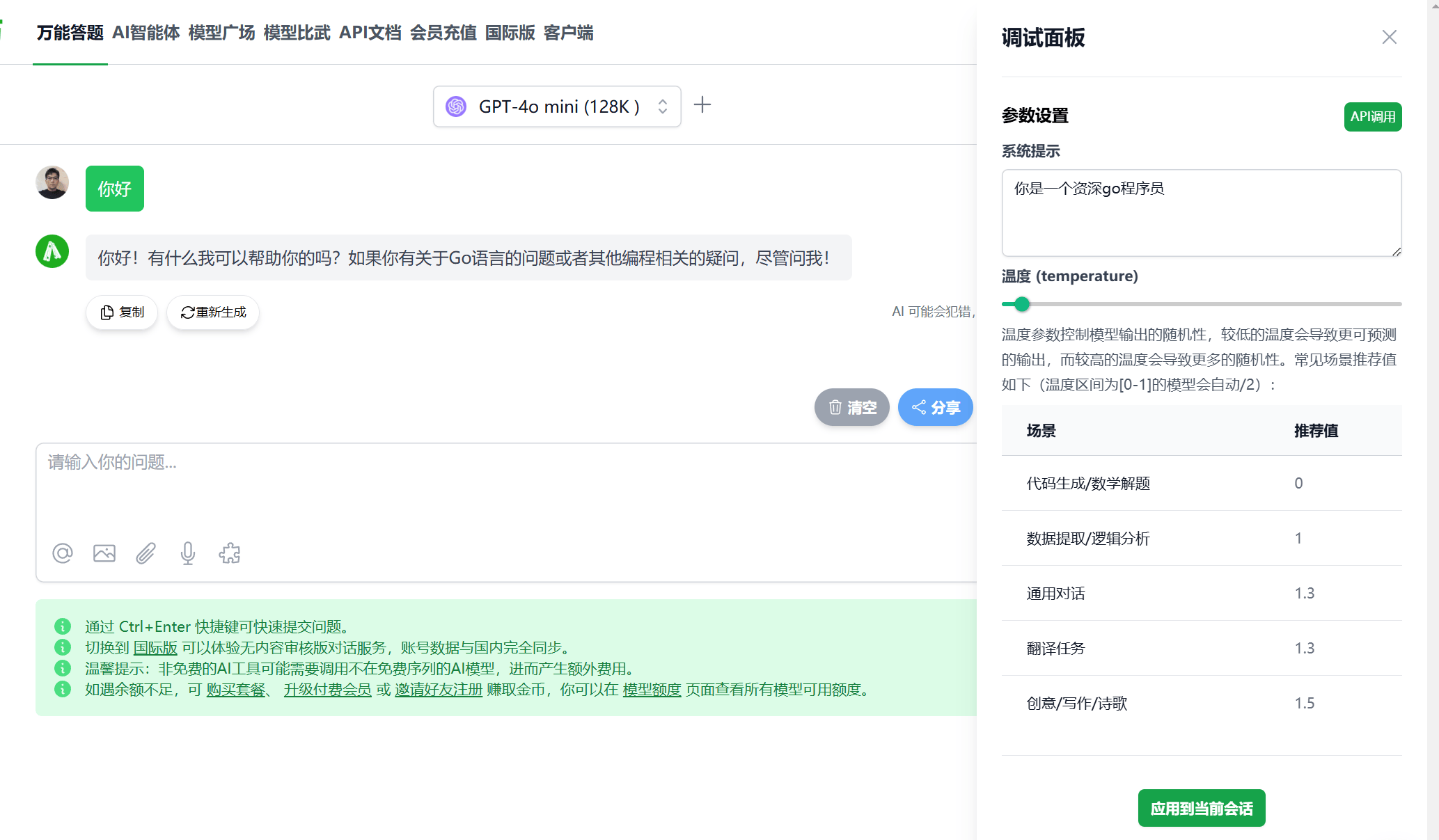
On GeekAI’s general Q&A page, open the debug panel at the top right to set the system prompt and temperature. Leave them unset to use the defaults. Try it out.